
Montenegro’s economy is steady heading into 2026 with projected GDP growth around 3.3%, supported by private consumption, infrastructure investment, and a robust tourism sector. However, challenges like rising fiscal deficits, trade imbalances, and dependence on seasonal coastal tourism remain prominent. While tourist arrivals are hitting new highs, overnight stays and tourism revenues have declined, sparking a strategic push to diversify and extend the tourist season beyond the summer coast.
The economic landscape reflects a transition from post-pandemic boom to moderate growth, requiring structural reforms to sustain momentum. Fiscal policy is expansionary, with deficits widening and debt levels projected to rise if unaddressed. The tourism industry dominates Montenegro’s external earnings but faces pressure from shorter stays and price competition. New airline routes, including British Airways flights to Tivat, signal confidence in the market, while stakeholders emphasize sustainability, diversification into mountain and cultural tourism, and season extension as crucial for long-term resilience.
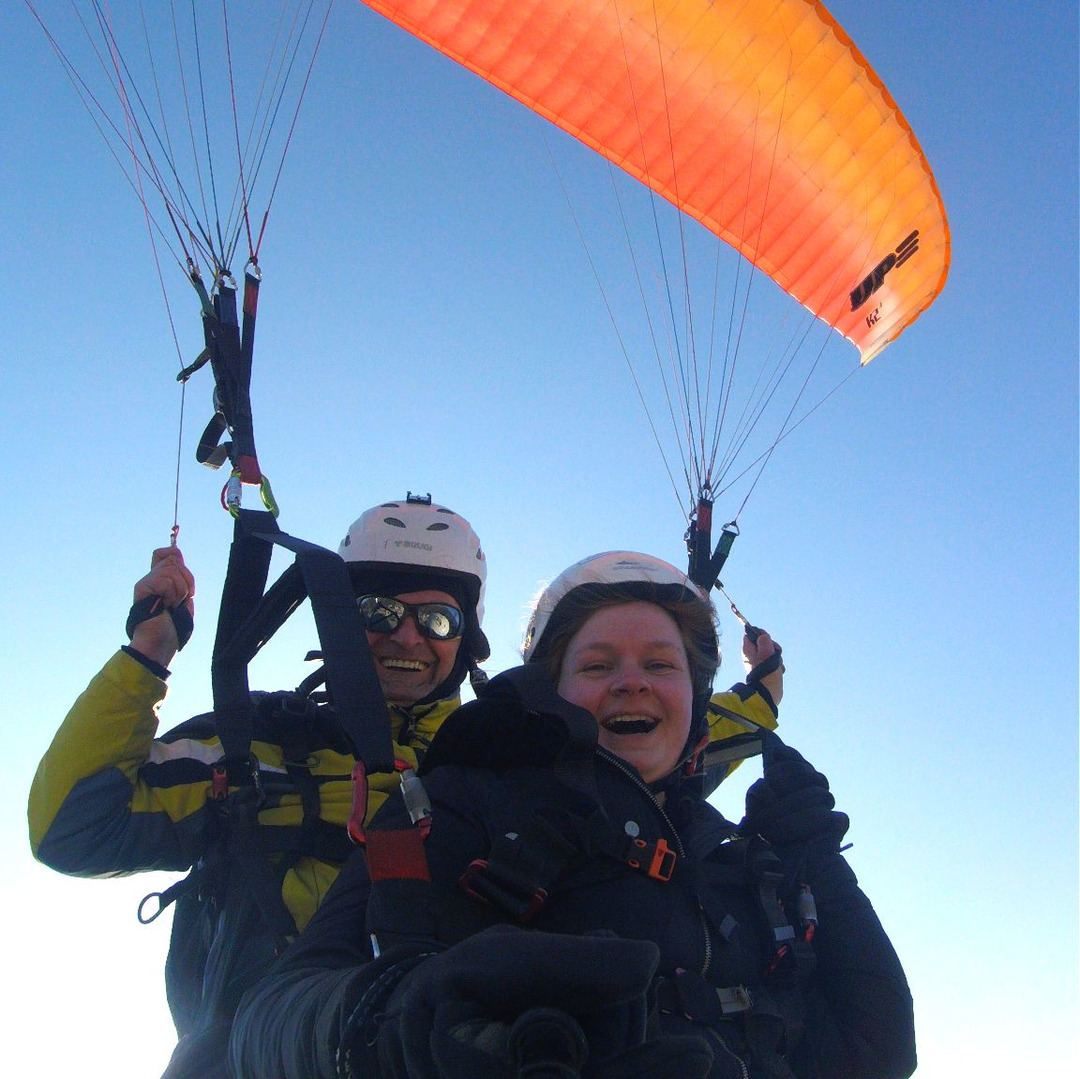
For visitors seeking a unique way to experience Montenegro’s stunning scenery, paragliding over the Bay of Becici near Budva offers unmatched thrills. Soaring above the Adriatic coastline, adventurers can enjoy panoramic vistas of the coastal mountains and turquoise waters while indulging in an active holiday that complements the region’s natural and cultural richness. Paragliding not only enhances Montenegro’s tourism product diversity but also helps attract visitors beyond the traditional summer beach season.
Whether you’re an investor eyeing the evolving Montenegrin market or a traveler eager for unforgettable experiences, Montenegro 2026 presents a dynamic mix of opportunity and challenge. Embrace both the economic insights and the adventure awaiting in the skies—book your paragliding flight in Budva today and see Montenegro from a whole new perspective.